You’ve spent the money, worn the device, and now you’re staring at a sleep stage chart that feels… off. Was I really awake for 45 minutes? Did I actually get zero deep sleep? You’re not alone in your doubt. When the data doesn’t match your lived experience, it’s natural to ask: how accurate are sleep trackers, and which is the most accurate sleep tracker I can buy?
Short Answer: No consumer sleep tracker is 100% accurate. For detecting sleep versus wake, the best sleep tracker accurate devices like the Oura Ring Gen 3 and Fitbit Charge 6 are about 80-95% accurate compared to a clinical sleep study (polysomnography). However, their accuracy plummets when estimating specific sleep stages like REM, light, and deep sleep, where errors of 15-30 minutes per stage are common. For absolute accuracy, a medical-grade device under a doctor’s supervision is required.
What Are Sleep Trackers Actually Measuring?
To understand their accuracy, you must first understand their fundamental limitation: they are not measuring brain activity. A clinical polysomnography (PSG) study uses electroencephalography (EEG) to directly read your brain waves, the gold standard for defining sleep stages. No consumer wearable has an EEG sensor. Instead, they rely on a set of proxy measurements to guess what your brain is doing.
The primary tool is an accelerometer. It detects movement, or the lack thereof, to infer wakefulness and light sleep. A photoplethysmography (PPG) optical heart rate sensor tracks your pulse rate and heart rate variability (HRV). As you transition from wake to light sleep to deep sleep to REM, your heart rate, breathing rate (derived from heart rate patterns), and HRV follow predictable patterns. The device’s algorithm crunches this movement and heart data, comparing it to a model built from thousands of hours of PSG-validated data to spit out a sleep stage estimate. An ECG sensor, like those in newer Apple Watches and the Fitbit Charge 6, can offer a more precise heart rhythm reading but still cannot see brain waves.
This is why accuracy varies wildly. If you lie still while reading in bed, the accelerometer may signal “sleep.” If you have a high resting heart rate, the algorithm may underestimate your deep sleep. The models are statistical approximations, not direct readings. This proxy-based method is the core reason why finding the sleep tracker most accurate for stages is such a challenge; you’re looking at the best-educated guess, not a fact.
The Gold Standard: How Validation Studies Work
When a company claims its device is “validated” or “clinically tested,” you need to read the fine print. A true validation study involves simultaneous testing: participants wear the consumer tracker while also undergoing a full, in-lab polysomnography study. Researchers then compare the two datasets point-by-point to calculate agreement metrics.

The most critical metrics are sleep detection accuracy and sleep stage agreement. Sleep detection (also called sleep-wake identification) is typically measured by “accuracy,” “sensitivity” (ability to detect true sleep), and “specificity” (ability to detect true wake). A 2020 review in Sleep Medicine Reviews found that for sleep-wake, most devices perform reasonably well, with accuracies clustering around 80-95%. The major discrepancies come in stage agreement, measured by metrics like “epoch-by-epoch agreement” or the “F1-score” for each stage. This is where a device might correctly identify deep sleep only 60% of the time.
It’s crucial to note that many “validation” studies are conducted or funded by the device manufacturers themselves, which can introduce bias. Independent, peer-reviewed studies published in journals like Sleep or the Journal of Clinical Sleep Medicine are the most reliable sources. These studies often reveal significant differences between marketing claims and real-world performance, especially for the fitness tracker most accurate claims in the sleep domain.
Why You Can’t Compare Study Results Directly
Not all validation studies are created equal. A study on young, healthy adults with no sleep disorders will yield far better accuracy numbers than a study on a population with insomnia or sleep apnea. Sample size matters—a study of 20 people is less robust than one of 200. Furthermore, the algorithm version is critical. A tracker’s accuracy is not static; a 2021 study validating the Oura Ring Gen 3 uses an algorithm that has been updated multiple times since. Always check the publication year and the firmware version cited. This is why our deep-dive resource, Sleep Tracker Accuracy: How Every Major Wearable Actually Measures Up, is updated annually to reflect the latest available data.
Accuracy Breakdown: Wearables vs. Rings vs. Bedside Devices
Not all trackers are built the same. The sensor placement, type, and algorithmic focus create distinct accuracy profiles.
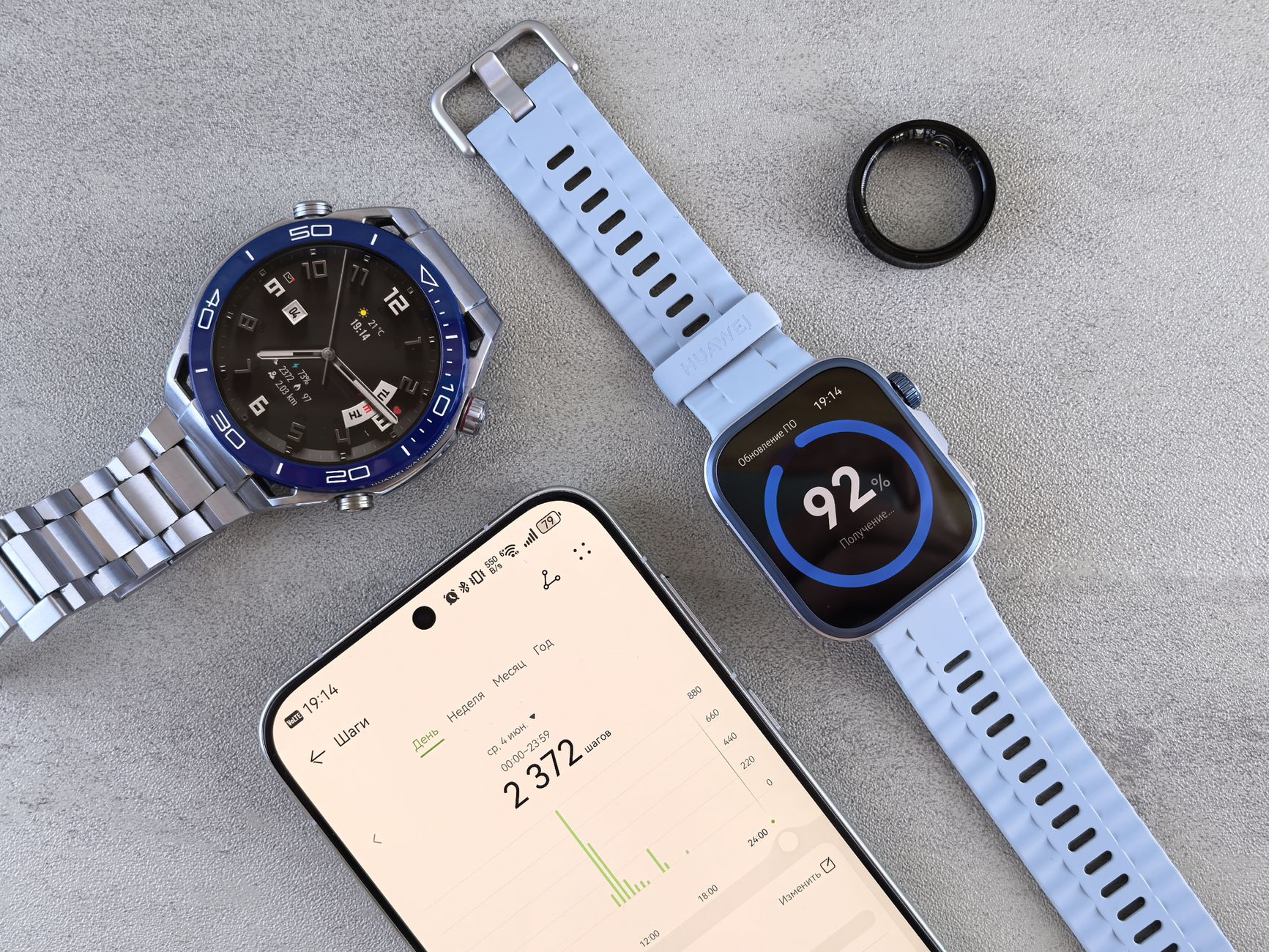
Wrist-Worn Trackers (Fitbit, Garmin, Apple Watch)
These are the most common. Their strength is in long-term trend tracking rather than nightly precision. The Apple Watch Series 10 (watchOS 11) uses its powerful accelerometer and refined PPG sensor. Independent studies, like a 2022 paper in Nature and Science of Sleep, found it excelled at sleep-wake detection (~96% accuracy) but was only moderately accurate for sleep stages, particularly poor at distinguishing light and deep sleep. For a full analysis, see our guide to Apple Watch Sleep Tracking Accuracy.
Fitbit devices, like the Fitbit Charge 6, leverage a massive proprietary sleep database. A 2023 study in Sleep Health validated its sleep stage estimates against PSG and found it was among the better consumer devices, but still had a mean absolute error of about 15 minutes for deep sleep and 20 minutes for REM. The Fitbit Sleep Tracking Accuracy page details these findings. Garmin’s approach, centered on its “Body Battery” and Firstbeat analytics, tends to prioritize physiological stress and recovery. Its sleep stage accuracy has historically lagged, though newer models like the Venu 4 show improvement, a topic explored in Garmin Sleep Tracking Accuracy.
Smart Rings (Oura, Circular, Ultrahuman)
The primary advantage of a ring is sensor placement. The finger has richer vasculature than the wrist, potentially providing a stronger, less noisy PPG signal for heart rate and HRV. The Oura Ring Gen 3 is the most studied. A 2021 independent study in Behavioral Sleep Medicine reported high sleep-wake accuracy (96%) but noted significant errors in stage timing, overestimating deep sleep by an average of 14 minutes. Rings are less prone to movement artifacts during sleep than wrist devices, which can improve sleep-wake detection but doesn’t solve the fundamental brain-wave estimation problem.
Bedside & Non-Wearable Devices (Withings Sleep Analyzer, SleepScore Max)
These devices sit under your mattress or on your nightstand, using ballistocardiography (BCG) or bio-motion and sonar to detect movement, breathing, and snoring. The Withings Sleep Analyzer pads, for instance, can detect sleep apnea indicators (though not diagnose it) with good reliability because they directly measure breathing disturbances. However, their sleep stage estimation, still derived from movement and breathing patterns, faces the same accuracy ceilings as wearables. They are excellent for partners who don’t want to wear a device.
| Device Type | Best For | Sleep/Wake Accuracy | Sleep Stage Accuracy | Key Limitation |
|---|---|---|---|---|
| Wrist Wearable (e.g., Fitbit Charge 6) | Trend tracking, Sleep schedule coaching | High (~90-95%) | Moderate (15-30 min stage error) | Wrist movement artifacts, model over-reliance on movement |
| Smart Ring (e.g., Oura Ring Gen 3) | HRV/Recovery data, Unobtrusive wear | Very High (~95-96%) | Moderate (comparable to wrist) | Cannot measure blood oxygen (SpO2) as reliably as wrist |
| Bedside Mat (e.g., Withings Sleep Analyzer) | Snoring/breathing analysis, Partner-friendly | High | Low-Moderate | Only works in one bed, less personal biometric data |
| Smartwatch with Advanced Sensors (e.g., Apple Watch Series 10) | Integration, Daytime health metrics | Very High (~96%) | Moderate (poor light/deep distinction) | Battery life requires daytime charging, costly |
Where Trackers Fail (And Why You Shouldn’t Panic)
Understanding common failure modes will save you from unnecessary sleep anxiety over your data.
Deep Sleep Anxiety: This is the most common issue. People see 10 minutes of deep sleep and worry. Trackers systematically underestimate deep sleep in healthy adults and overestimate it in poorer sleepers. The algorithm often misclassifies quiet wakefulness or light sleep as deep sleep if you are very still. If you feel restored but your tracker shows low deep sleep, trust your feeling. The absolute number is almost certainly wrong; the week-over-week trend might have value.
The “I Was Awake” Mismatch: You remember staring at the ceiling for an hour, but your tracker shows solid sleep. This usually occurs during periods of “quiet wakefulness” with minimal movement. The accelerometer sees no motion, the heart rate is low and stable from resting in bed, so the algorithm calls it sleep. Trackers are notoriously bad at detecting the onset of sleep if you’re lying still.
Sleep Apnea and Medical Conditions: This is a critical safety point. While some devices like the Withings Sleep Analyzer or Fitbit Sense 2 can screen for indicators of sleep apnea (like blood oxygen dips or breathing interruptions), they are not diagnostic tools. A 2023 position statement from the American Academy of Sleep Medicine explicitly warns against using consumer wearables for diagnosing sleep disorders. If you have symptoms like loud snoring, witnessed breathing pauses, or excessive daytime sleepiness, consult a sleep physician for a proper sleep study.
How to Use Your Sleep Tracker Effectively (Despite the Limits)
The value isn’t in the absolute truth of a single night’s stages. It’s in the aggregated trends and behavioral feedback.
Focus on Trends, Not Nightly Numbers: Look at your data over weeks and months. Is your average sleep duration increasing after setting a bedtime alarm? Is your resting heart rate trending down after starting regular exercise? Is your “time asleep” consistently shorter on nights you have alcohol? These macro-trends are reliable and actionable, even if the underlying minute-by-minute data is fuzzy.
Use It as a Behavioral Nudge, Not a Medical Device: Let the tracker hold you accountable to a consistent bedtime and wake time. Use the “wind down” reminders. If you see a correlation between late caffeine and restless sleep, act on it. This is where the true power lies—in connecting daily habits to approximate sleep outcomes.
Calibrate It With How You Feel: Keep a simple sleep journal note: “Felt great, 7/10 energy.” Compare that to your tracker’s “Sleep Score” over time. You’ll learn how its specific algorithm’s scores map to your subjective reality. You might find that a “Fair” 75 score on your Garmin correlates with you feeling excellent, making the number itself less anxiety-provoking.
Choose the Right Tool for Your Priority: If you want recovery metrics and long-term readiness trends, a ring or a device like the WHOOP 5.0 (which focuses heavily on HRV and strain) may be suitable. If you need gentle scheduling help, a basic Fitbit Inspire 4 is enough. Don’t overbuy for accuracy that doesn’t exist.
Key Takeaways
- No consumer tracker is 100% accurate for sleep stages. They estimate stages from movement and heart data, not brain waves, leading to common errors of 15-30 minutes per stage.
- Sleep-wake detection is fairly reliable (~80-95% accuracy). The best sleep tracker accurate for simply telling if you’re asleep or awake are devices like the Oura Ring and latest Fitbits, but they fail during quiet wakefulness.
- Validation study details matter. Check for independent, peer-reviewed studies with appropriate sample sizes. Manufacturer claims often cite the most favorable metrics.
- Trends are trustworthy; nightly scores are not. Use your device to track changes over weeks in response to lifestyle adjustments, not to diagnose a single night of “poor” deep sleep.
- Trackers are not medical devices. They cannot diagnose sleep apnea, insomnia, or other disorders. See a doctor for any concerning symptoms.
Frequently Asked Questions
Which sleep tracker is the most accurate in 2026?
Based on the latest aggregated validation data, the Oura Ring Gen 3 and the Fitbit Charge 6 currently offer among the best combinations of high sleep-wake accuracy and relatively reliable sleep stage estimates. However, “most accurate” is context-dependent; for non-wearable breathing analysis, the Withings Sleep Analyzer pad is superior. Our comprehensive 2026 comparison, Sleep Tracker Accuracy: How Every Major Wearable Actually Measures Up, provides a detailed model-by-model breakdown.
Are fitness trackers or smartwatches accurate for sleep?
They are accurate enough for sleep timing and trend analysis but not for clinical-grade sleep staging. A fitness tracker most accurate for sleep, like a Fitbit, often outperforms a general-purpose smartwatch because its algorithms are specifically tuned for sleep using a larger, dedicated dataset. Smartwatches like the Apple Watch excel at sleep-wake detection but have more variable stage accuracy.
Why does my tracker show no deep sleep?
It’s almost certainly underestimating, not measuring zero. Deep sleep is the hardest stage for consumer algorithms to identify correctly. Factors like high resting heart rate, movement during other stages, or simply the limitations of the algorithm can lead to significant underestimation. If you feel rested, ignore the absolute number and look for weekly trends.
Can a sleep tracker diagnose sleep apnea?
No. Some devices with pulse oximetry (SpO2) sensors, like the Fitbit Sense 2 or Apple Watch, can detect blood oxygen dips that may suggest sleep apnea events. However, this is a screening tool, not a diagnosis. Only a physician-interpreted polysomnography or home sleep apnea test can diagnose sleep apnea. Relying on tracker data alone could delay necessary medical treatment.
Choosing the right sleep tracker means balancing its proven strengths against its known inaccuracies. For deeper analysis on specific brands and to compare the latest models head-to-head, explore our full library of expert reviews in the Sleep Trackers category.
Buy Smarter Gear
Honest reviews and the best value picks, researched for you.