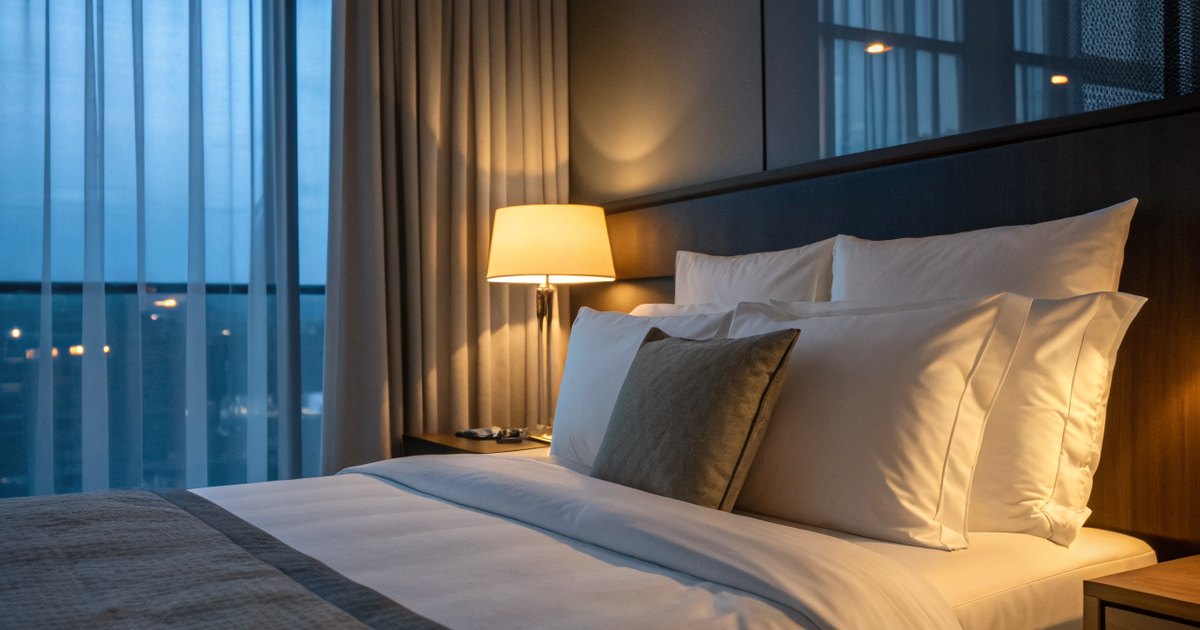
What Is a Cooling Mattress?
A cooling mattress is any mattress designed to actively or passively regulate sleep surface temperature to prevent overheating during the night. Unlike standard mattresses that can trap body heat, these specialized beds incorporate materials, construction techniques, or integrated technology to dissipate warmth, draw heat away from the body, or provide active cooling. The goal is to maintain a neutral thermal environment, which is critical for entering and sustaining deep sleep stages. They range from simple foam beds with breathable covers to high-tech Eight Sleep Pod Cover systems that use water to actively cool and heat the sleeper.

How Cooling Mattresses Actually Work: The Science of Sleep Temperature
Your body’s core temperature needs to drop by about 1-2 degrees Fahrenheit to initiate sleep. A cooling mattress facilitates this process by managing the microclimate around your body—the layer of air and material between you and the mattress. If this microclimate becomes too warm and humid, your body struggles to shed heat, leading to restlessness, wakefulness, and a disrupted sleep cycle. The best smart cooling bed addresses this directly, but even passive designs aim to improve this heat exchange.

The effectiveness of a cooling mattress hinges on its ability to handle heat through one or more physical principles: conduction, convection, evaporation, or phase change. Conduction involves direct heat transfer away from the body into a cooler material. Convection relies on air or fluid movement to carry heat away. Evaporation uses moisture-wicking to create a cooling effect as perspiration evaporates. Phase-change materials (PCMs) absorb excess heat as they change from a solid to a slush-like state, releasing it back when the environment cools. High-end active systems often combine several of these methods.
The Role of Ambient Room Temperature
It’s crucial to understand that even the best cooling mattress operates within the constraints of your bedroom environment. If your room is consistently above 75°F (24°C), a passive cooling mattress will have limited effect, as it has no cool reservoir to draw from. In such scenarios, an active cooling system or a combination of a cooling mattress and a bedroom air conditioner becomes necessary. For most people, the ideal sleep environment is between 60-67°F (15.5-19.5°C), which allows any mattress to perform its temperature regulation duties more effectively.
Cooling Mattress Materials: From Passive Fabrics to Active Tech
The materials used define a mattress’s cooling potential. They fall into two broad categories: passive materials that rely on their inherent properties and active technologies that require power and user input.

Passive Cooling Materials
These are the workhorses of the non-smart cooling mattress market. They require no electricity and work continuously.
- Gel-Infused Memory Foam: Small gel beads or swirls are mixed into the foam to absorb and dissipate heat. It’s an improvement over traditional memory foam but offers a mild cooling effect rather than a profound one.
- Open-Cell Foams: These foams, like those from Tempur-Pedic’s TEMPUR-breeze line or many bed-in-a-box brands, are manufactured with a more porous structure. This allows for greater air circulation within the foam itself, preventing heat buildup.
- Coils / Innersprings: The air gaps within a coil system are naturally breathable. Most hybrid mattresses combine coils with cooling foams on top to offer both support and temperature regulation.
- Phase-Change Material (PCM) Covers: These specialized fabric covers are embedded with microscopic PCM capsules that absorb heat as they melt (around skin temperature) and release it as they solidify. They provide a consistent surface temperature but have a finite absorption capacity each night.
- Natural Latex: Latex is naturally breathable due to its structure and is often perforated with holes to enhance airflow. It sleeps cooler than most traditional memory foams.
- High-Performance Fabrics: Covers made from polyester blends with names like Celliant® or CopperFlex are engineered to wick moisture away from the body and promote infrared heat dissipation.
Active Cooling Technologies
This is where you find a true smart bed cooling system. These are integrated solutions that actively remove heat from the sleep surface.
- Hydronic (Water-Based) Systems: The most effective active cooling. Products like the Eight Sleep Pod use a network of water-filled tubes embedded in a mattress topper or the mattress itself. A separate hub unit chills or heats the water, pumping it through the tubes to actively control the surface temperature within a precise range (often 55-110°F).
- Forced Air Systems: Mattresses like those in the Sleep Number Climate 360 series use a fan system to draw air through the mattress, pulling heat and moisture away from the body and venting it out the side of the bed.
| Technology Type | How It Works | Best For | Estimated Price Impact |
|---|---|---|---|
| Passive (Gel Foam, PCM) | Absorbs and dissipates heat through material properties. | Mild to moderate hot sleepers; budget-conscious buyers. | +$200 – $800 |
| Active (Water-Based) | Actively pumps cooled water through the bed to remove heat. | Very hot sleepers, night sweats, couples with different needs. | +$2,000 – $4,000+ |
| Active (Forced Air) | Uses fans to circulate air and pull heat away from the body. | Those who prefer airflow to a cold surface; Sleep Number fans. | +$1,500 – $3,000 |
What to Look For: How to Choose the Best Cooling Mattress for You
Choosing what is a good cooling mattress depends entirely on your specific needs, budget, and sleep environment. A mild sleeper in an air-conditioned room will have vastly different requirements than someone experiencing severe night sweats.
First, assess your level of heat. Do you simply feel a bit warm by morning, or do you wake up drenched in sweat? For mild cases, a mattress with breathable coils, a graphite or gel-infused foam comfort layer, and a moisture-wicking cover will likely suffice. For severe cases, especially those related to medical conditions or menopause, an active cooling system is often the only solution that provides reliable, all-night relief.
Second, consider your budget. Passive cooling technology is now standard in many mid-range mattresses, adding a few hundred dollars to the cost. A true smart bed with cooling is a premium investment, with systems like Eight Sleep or Sleep Number’s Climate 360 adding $2,000 to $4,000 to the price of a mattress. You must decide if the proven performance of active cooling is worth the significant financial leap.
Third, think about your bedroom. As noted, a cooling mattress cannot perform magic. If your room is hot and humid, even the best mattress will struggle. Pairing a passive cooling mattress with a cool room and moisture-wicking bedding (like cotton or bamboo sheets) is a highly effective and more affordable strategy for many.
The Verdict on Smart Cooling Beds: Are They Worth It?
For the right person, a smart cooling mattress is not a luxury; it’s a transformative solution. The key is identifying if you are that person.
The clinical evidence for cooling is strong. A 2012 study published in the journal Sleep found that mild cutaneous cooling significantly improved sleep quality in individuals with insomnia. Active systems provide this cooling precisely and on demand. Owners of systems like the Eight Sleep Pod report dramatic reductions in nighttime awakenings and more consistent deep sleep, especially during summer months or in warmer climates. The ability for two partners to set different temperatures on their own sides of the bed is a game-changing feature that passive systems cannot offer.
However, the value proposition is clear-cut. If you sleep hot but manage okay with a fan, lighter blankets, and a breathable mattress, a $3,000 active cooling system is likely overkill. The technology is expensive, adds mechanical complexity (and potential points of failure), and requires ongoing subscription fees in some cases for advanced sleep tracking data. It is a premium solution for a premium problem.
Verdict: Active smart cooling beds deliver on their promise of precise temperature control and are highly effective for severe hot sleepers and couples with different needs. For most others, a well-chosen passive cooling mattress paired with a cool bedroom environment provides the best balance of cost and performance.
Top Contenders: A Quick Look at the Market Leaders
The market for cooling mattresses is vast, but a few names consistently rise to the top when discussing both passive and active solutions.
For active smart cooling, the Eight Sleep Pod Pro is the undisputed leader in water-based temperature regulation. Its ability to cool down to 55°F and heat to 110°F is unmatched by any other consumer system. Our Eight Sleep Pod 5 Review delves deep into its performance and value. Its main competitor is the Sleep Number Climate 360, which uses a forced-air system. This is a matter of preference: some prefer the feeling of cool airflow, while others prefer the solid feeling of a water-cooled surface.
In the passive luxury space, Tempur-Pedic’s Breeze line (ProBreeze and LuxeBreeze) uses a combination of phase-change material in the cover and special cool-to-the-touch foams. They represent the peak of what passive technology can achieve and come with a corresponding price tag. We examine whether it’s worth it in our Tempur-Pedic Smart Cool Mattress Review.
For those seeking value, many excellent bed-in-a-box brands offer highly breathable hybrids with gel foams and coil systems for under $1,500 for a Queen size. We maintain a constantly updated list of the top options in our guide to the Best Cooling Mattresses for Hot Sleepers Under $1,500.
Key Takeaways
- A cooling mattress works by managing your body’s microclimate using passive materials (like gel foam or PCMs) or active technologies (water or air systems) to prevent overheating.
- For mild hot sleepers, a passive cooling mattress in a cool room is often sufficient. For severe night sweats or couples with different needs, an active smart cooling system is the most effective solution.
- The best smart cooling mattress for you depends on your specific heat level, budget, and bedroom environment. Active systems are a significant investment but can be transformative.
- Always pair your mattress with breathable, moisture-wicking bedding (cotton, bamboo, linen) and aim for a bedroom temperature between 60-67°F (15.5-19.5°C) for optimal results.
Frequently Asked Questions
Do cooling mattresses really work?
Yes, but their effectiveness varies dramatically. Passive cooling mattresses with breathable materials like coils, gel infusions, and phase-change covers can lower surface temperature by 2-8°F compared to traditional memory foam. Active cooling systems that use water or air can lower the sleep surface by 10-20°F or more, providing a much more powerful and reliable cooling effect throughout the night.
What is the best type of cooling mattress?
The “best” type is subjective. For maximum cooling power and precise control, a water-based active system like the Eight Sleep Pod is objectively the most effective. For a balance of cost, comfort, and cooling, a high-quality hybrid mattress with coils for airflow and a gel-infused or graphite-infused foam comfort layer is an excellent choice for most hot sleepers.
Are cooling mattresses good for night sweats?
Passive cooling mattresses can help with mild night sweats by wicking moisture and improving breathability. However, for drenching night sweats often associated with medical conditions or menopause, an active cooling mattress is far more effective because it actively removes heat from the body rather than just relying on dissipation.
How long does the cooling effect last?
In passive mattresses, the cooling effect is constant but can be influenced by room temperature. Phase-change materials have a finite heat absorption capacity per night but “reset” as the room cools. Active cooling systems last all night as long as the unit is powered on, drawing heat away continuously.
Ready to find your perfect cool night’s sleep? Explore our curated rankings and in-depth reviews on our Cooling Mattresses category page to make an informed decision.
Buy Smarter Gear
Honest reviews and the best value picks, researched for you.