The Short Answer: Cooling Mattress Protector vs Pad vs Topper
You wake up drenched, your partner is complaining, and your sleep tracker confirms a night of restless overheating. The problem is your mattress, but replacing it is expensive and you’re not sure which cooling accessory is the right fix. The short answer is that a cooling mattress protector is a thin, fitted sheet for mild heat issues; a cooling pad is a thicker, often active-cooling layer for targeted temperature control; and a cooling topper is the thickest option, designed to change the feel of your bed and address significant heat retention, sometimes with integrated smart technology.

Choosing the wrong one means wasting money on a solution that doesn’t address your specific sleep problem. This guide breaks down the construction, cooling mechanisms, and ideal use cases for each type so you can invest in the right layer for your sleep.
Defining the Three Layers: Protector, Pad, and Topper
Before diving into cooling tech, it’s crucial to understand the fundamental differences in form and function between these three product categories. They are not interchangeable, and their primary purpose dictates their design.
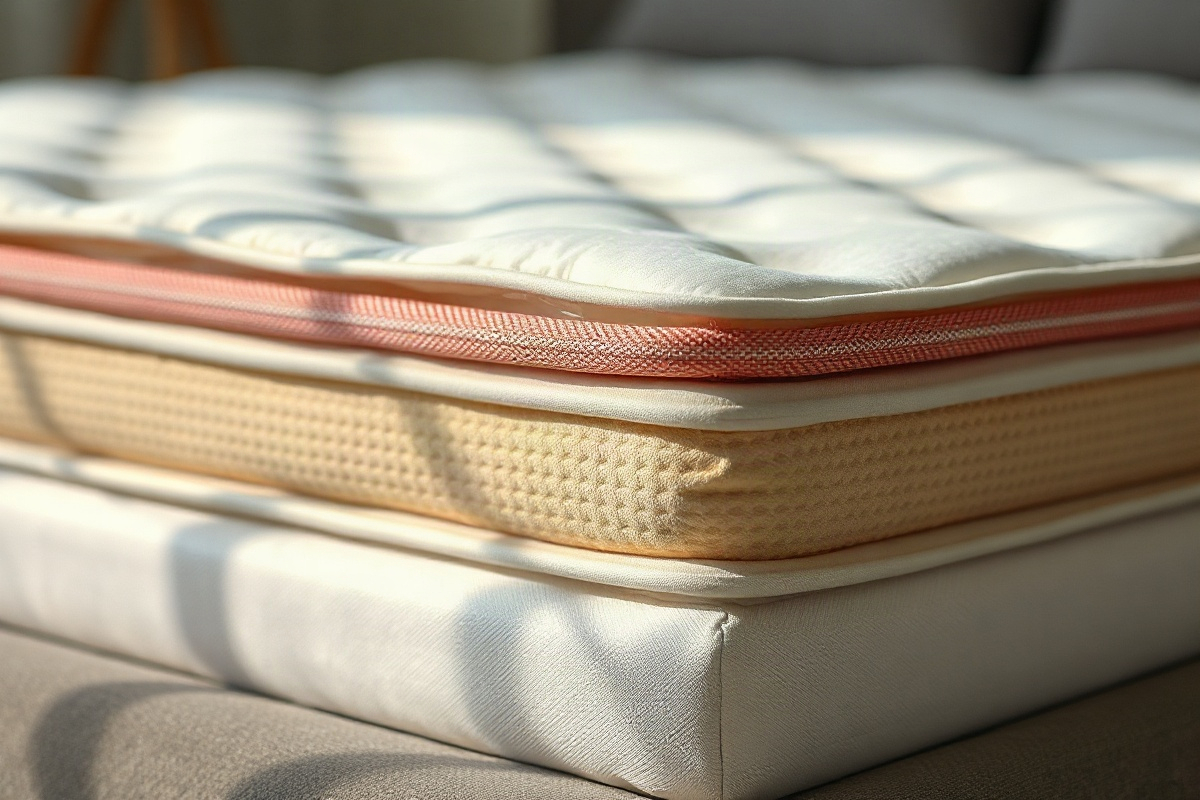
Cooling Mattress Protector: Your First Line of Defense
A cooling mattress protector is a fitted sheet-like cover that encases your mattress. Its primary job is protection against spills, allergens, dust mites, and wear. The cooling aspect is a secondary feature. These are typically thin, often under 0.5 inches thick, and use passive cooling technologies like phase-change material (PCM) infused fabrics or moisture-wicking blends such as Tencel lyocell or polyester. They are not designed to change the core temperature of your sleep surface but to create a slightly cooler microclimate against your skin. Think of it as upgrading your bedsheet for better breathability rather than modifying your mattress.
Cooling Mattress Pad: The Middle Ground
A cooling mattress pad is a thicker, quilted layer that sits on top of your mattress, usually between 0.5 to 2 inches thick. It often has elasticized skirts or deep pockets to secure it in place. While it still offers a degree of protection, its main purpose is comfort and moderate temperature regulation. Pads can utilize both passive methods (gel infusions, breathable foam, airflow channels) and active methods. This is the category where you’ll find most smart water cooled mattress pad systems, which use a network of microtubes and a external control unit to circulate temperature-controlled water.
Cooling Mattress Topper: The Major Comfort Upgrade
A cooling mattress topper is the thickest option, typically ranging from 2 to 4 inches. It is designed to significantly alter the feel and performance of your existing mattress, either by adding plushness to a firm bed or support to a sagging one. Because of its thickness, heat can become trapped more easily, so cooling is a critical design element. Toppers use advanced passive materials like ventilated memory foam, copper or graphite infusions, and latex, or they incorporate active smart mattress cooling topper systems. A topper is a semi-permanent addition that fundamentally changes your bed’s sleep experience.
Cooling Technology Breakdown: Passive vs. Active Systems
The method a product uses to manage temperature is more important than its category name. Understanding this will prevent you from buying a passive protector when you need an active pad.

Passive Cooling: Materials and Breathability
Passive cooling relies on the physical properties of materials to wick moisture and promote airflow. There is no external power source or mechanical system. Common technologies include:
- Phase-Change Material (PCM): Fabrics infused with PCM absorb excess body heat as you sleep, storing it and then releasing it later to maintain a consistent surface temperature, typically around 88°F (31°C), which is considered the ideal skin temperature for sleep.
- Gel Infusions: Gel beads or swirls are infused into foam to pull heat away from the body. This is common in memory foam toppers to counteract the material’s natural heat retention.
- Breathable Fabrics: Natural materials like cotton, bamboo-derived viscose, and Tencel lyocell are highly breathable and excellent at wicking moisture. Open-cell foam structures and ventilated designs also promote air circulation.
Passive systems are found across all three categories but are the sole technology in protectors and many budget-friendly pads and toppers.
Active Cooling: Water and Air Systems
Active cooling uses an external unit to power a system that actively removes heat from the sleep surface. These are smart bed cooling pad solutions that offer precise temperature control, often via a smartphone app.
- Water-Based Systems (Hydrocooling): Products like the Chilipad Dock Pro or the Eight Sleep Pod Cover use a pad embedded with microtubes. A quiet pump unit circulates water from a reservoir through these tubes, either cooling or heating the water to a specific temperature you set (e.g., 55°F to 110°F). This is the most effective method for precise, powerful temperature control. For a detailed comparison of the top models, see our guide on Best Water-Cooled Mattress Pads.
- Air-Based Systems (Aircooling): The BedJet 3 uses a powerful fan to push room-temperature or cooled air under your bottom sheet, creating a climate-controlled bubble. It excels at moisture-wicking and evaporation cooling rather than conductive cooling like water systems. You can read our full analysis in the BedJet 3 Review.
Active systems are almost exclusively found in the pad category, as they require a specific thickness to house the tubing and a secure fit to ensure proper function.
| Feature | Mattress Protector | Mattress Pad | Mattress Topper |
|---|---|---|---|
| Primary Purpose | Mattress Protection | Comfort & Cooling | Alter Mattress Feel |
| Typical Thickness | Under 0.5″ | 0.5″ – 2″ | 2″ – 4″ |
| Cooling Tech | Passive (PCM, Fabric) | Passive or Active | Passive or Active |
| Feel Change | Minimal to None | Moderate Cushioning | Significant Change |
| Ideal For | Mild Sleepers, Protection | Targeted Temp Control | Comfort & Major Cooling |
| Price Range | $30 – $100 | $50 – $300 (Passive) $500 – $1500+ (Active) |
$100 – $400 (Passive) $700+ (Active) |
Who Should Choose a Cooling Mattress Protector?
A smart cool mattress protector is the entry-point solution. It’s for the sleeper who experiences occasional night sweats or simply sleeps a bit warm and wants peace of mind against spills and stains. If your main complaint is that your current sheets feel stifling, a protector made from Tencel or a PCM fabric can provide a noticeable upgrade in breathability without changing the feel of your mattress.
This is also the best option for those who need hygienic protection—such as parents with young children, pet owners, or allergy sufferers—and want a cooling benefit as a bonus. It’s low-commitment, easy to wash, and affordable. However, if you consistently wake up hot to the point of discomfort, a thin protector will be insufficient. It cannot combat the heat retained deep within your mattress’s core, which is often the real culprit for hot sleepers.
Who Should Choose a Cooling Mattress Pad?
The cooling pad is the strategic choice for the data-driven sleeper who needs precise control. This category is home to the active, smart cooling mattress cover systems that integrate with apps and sleep trackers. If you know your ideal sleep temperature is 68°F and you want your bed to automatically warm up before your wake-up time, a hydro-cooling pad is your solution.
It’s ideal for couples with different temperature preferences, as most high-end models like the Eight Sleep offer dual-zone climate control. The pad is also perfect if you love your current mattress but need to solve a heat problem without altering its firmness or feel. The pad sits on top, adding minimal height but maximum temperature regulation. For a comprehensive look at the best options in this category, including both water and air-based systems, our Best Cooling Mattress Pads and Toppers guide is an essential resource.
Who Should Choose a Cooling Mattress Topper?
Choose a cooling topper if your mattress has two problems: it’s too hot and it’s uncomfortable. The topper is a two-in-one solution. If your mattress is too firm, a plush, cooling foam topper can add pressure-relieving comfort while preventing heat buildup. If your mattress is sagging but otherwise okay, a supportive latex topper can refresh its surface and provide excellent breathability.
This is a more permanent-feeling solution than a pad. The thickness means it will change the feel of your bed significantly, making it softer or firmer. While there are active smart cooling mattress pad systems that are technically toppers (due to their thickness), they are less common and often part of an integrated sleep system. For those on a budget seeking passive cooling, there are excellent options under $200, which we’ve curated in our Best Cooling Mattress Toppers Under $200 roundup.
Making the Right Choice for Your Sleep
Your decision should be guided by your specific pain point. Start by asking yourself these questions:
- Is my mattress uncomfortable, or just hot? If uncomfortable, lean toward a topper. If just hot, a pad or protector is sufficient.
- Do I need precise temperature control? If yes, your only option is an active cooling pad system.
- What is my budget? Protectrs ($30-$100) solve mild issues. Passive pads/toppers ($50-$400) solve moderate issues. Active pads ($500+) solve severe, specific issues.
- Is this for a couple? If so, dual-zone temperature control, found in active pads, is a game-changer for partner harmony.
Remember, the most expensive option is not always the best for you. A hot sleeper on a brand-new, comfortable mattress is the perfect candidate for an active cooling pad. A sleeper on a decade-old, sagging mattress that sleeps hot would benefit more from a high-quality cooling topper that addresses both problems.
Key takeaways
- A protector is a thin, protective layer with mild cooling; it won’t change your bed’s feel but is great for mild sweaters and spill protection.
- A pad is a mid-layer for targeted comfort and cooling; it’s where you find advanced active systems for precise temperature control without altering mattress feel.
- A topper is a thick layer designed to change mattress comfort; it uses advanced passive materials or active systems to address significant heat and discomfort.
- Active cooling (water/air) is for precise control and severe night sweats; passive cooling (gels/PCM/fabrics) is for moderate heat issues and is more affordable.
- Always match the product to your primary need: protection, temperature control, or comfort upgrade.
Frequently asked questions
Can I layer a cooling protector, pad, and topper together?
It is not recommended. Layering multiple non-breathable materials will trap heat and undermine the cooling technology of each product. Furthermore, placing a thick topper on top of a pad or protector will prevent the pad’s securing straps from functioning and create an unstable sleep surface. Choose one layer that best solves your problem.
Do smart cooling pads work with any mattress?
Most active cooling pads are designed to be compatible with all mattress types (innerspring, memory foam, hybrid, latex). However, they work most effectively on mattresses that are not extreme temperature offenders themselves. Pairing a water-cooled pad with a classic innerspring mattress is highly effective. Using one on a very low-quality, all-foam mattress that retains immense heat may still feel warm, as the pad must work against the mattress’s own heat retention.
How much does it cost to run an active cooling pad all night?
The energy cost is surprisingly low. Most hydro-cooling systems like Chilipad use a pump similar to a small aquarium pump, consuming between 30-60 watts. Running a unit for 8 hours would use approximately 0.24 to 0.48 kWh. At the U.S. average electricity rate of ~$0.14 per kWh, this costs between 3 and 7 cents per night.
Will a cooling topper make my firm mattress softer?
Yes, that is one of their primary functions. The thickness of the topper (2-4 inches) will add a significant plush layer on top of your firm mattress. Materials like memory foam and latex conform to your body, softening the feel and relieving pressure points. If you want to maintain firmness but add cooling, a thinner cooling pad is a better choice.
Ready to explore specific products and find the perfect cooling solution for your bed? Browse our curated reviews and guides in the Cooling Pads and Toppers category to make an informed decision.
Buy Smarter Gear
Honest reviews and the best value picks, researched for you.