Oura Ring 4 Review: Still the Sleep Tracking Benchmark?
You bought a smart ring hoping for the definitive answer on your sleep quality, but now you’re buried in confusing data and conflicting advice. You need a clear verdict on whether the latest iteration of the industry’s most famous device is still worth its premium price and subscription fee. The Oura Ring 4 refines a proven formula rather than reinventing it, offering best-in-class sleep stage tracking accuracy, robust wellness insights, and a comfortable form factor that you can actually wear all night. However, it faces stiffer competition than ever from subscription-free rivals and new entrants from tech giants, forcing a more nuanced buying decision.

Verdict: The Oura Ring 4 remains the most accurate and comprehensive sleep tracker ring for the majority of users, but its mandatory monthly subscription and high upfront cost mean it’s not the best value for everyone. Buy it if you want the gold standard and don’t mind the fee; consider a subscription-free alternative if budget is a primary concern.
Design, Comfort, and Battery Life: The All-Night Wearable
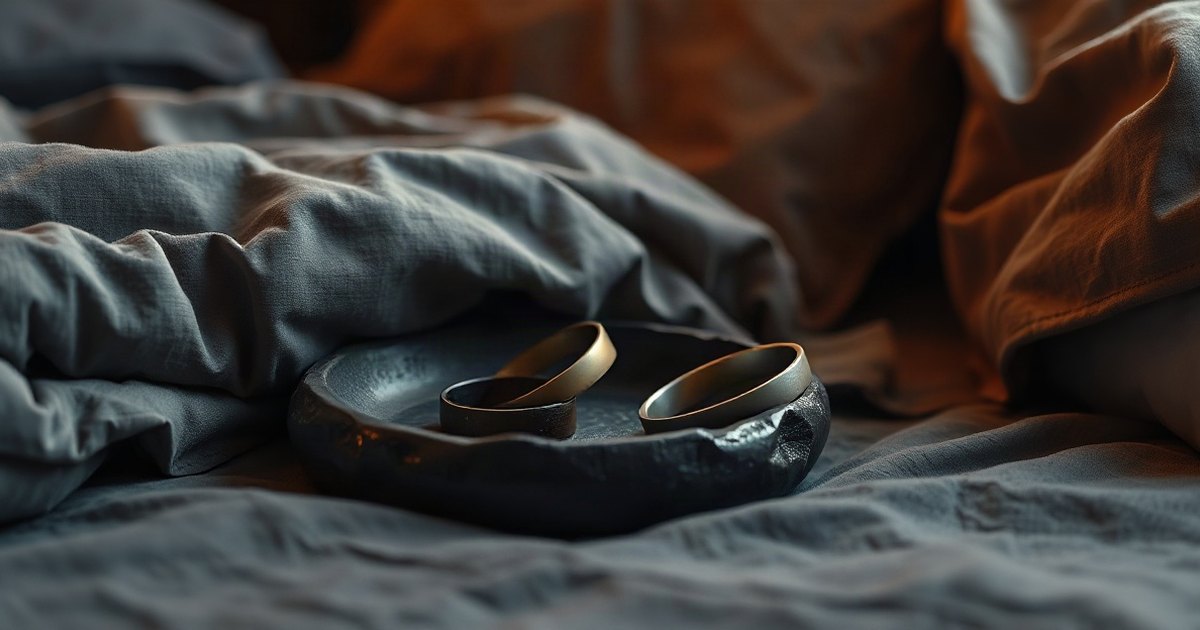
The Oura Ring 4 is available in four finishes—Horizon (polished), Heritage (brushed), Balance (matte with gold or silver accent), and a new stealthy matte black option—and a wide range of sizes from US 6 to 13. Sizing is critical; Oura provides a free sizing kit with plastic replicas that must be worn for 24 hours to account for finger swelling. The ring itself is crafted from titanium, making it incredibly lightweight at between 4-6 grams depending on size, a key factor in its ability to be worn comfortably throughout the night without causing distraction.

Battery life remains a strong suit. Oura claims 7 days, and in practice, with the always-on heart rate and temperature sensors active, most users achieve 4-5 days between charges. The ring charges fully in about 20-30 minutes using the included proprietary puck charger. The design is water-resistant to 100 meters, making it safe for showering and swimming, though Oura recommends removing it for high-impact water sports. The low-profile, snag-free design is a significant advantage over bulkier smartwatches for side sleepers and those who share a bed, as detailed in our comparison of Smart Ring vs Smartwatch for Sleep Tracking.
Who Might Find It Uncomfortable?
While most users adapt quickly, those with pronounced arthritis or significant finger joint swelling may find the rigid titanium band uncomfortable during the day. The ring’s internal sensors create a slightly raised bump on the inner band, which is generally unnoticeable but could be a point of irritation for individuals with very sensitive skin. For these users, a flexible band like those on some smartwatches might be preferable, though it would sacrifice the ring’s 24/7 form factor.
Sleep Tracking Accuracy: The Gold Standard Tested
The core promise of the Oura Ring 4 is unparalleled sleep tracking accuracy, a claim backed by a growing body of third-party validation studies. A 2021 study published in the journal Sleep compared the Oura Ring (Gen3) against clinical polysomnography (PSG) and found it had a 96% agreement for measuring total sleep time and a 90% agreement for measuring wake-after-sleep-onset (WASO) in a healthy adult population. The Ring 4 builds on this with improved sensors and algorithms.
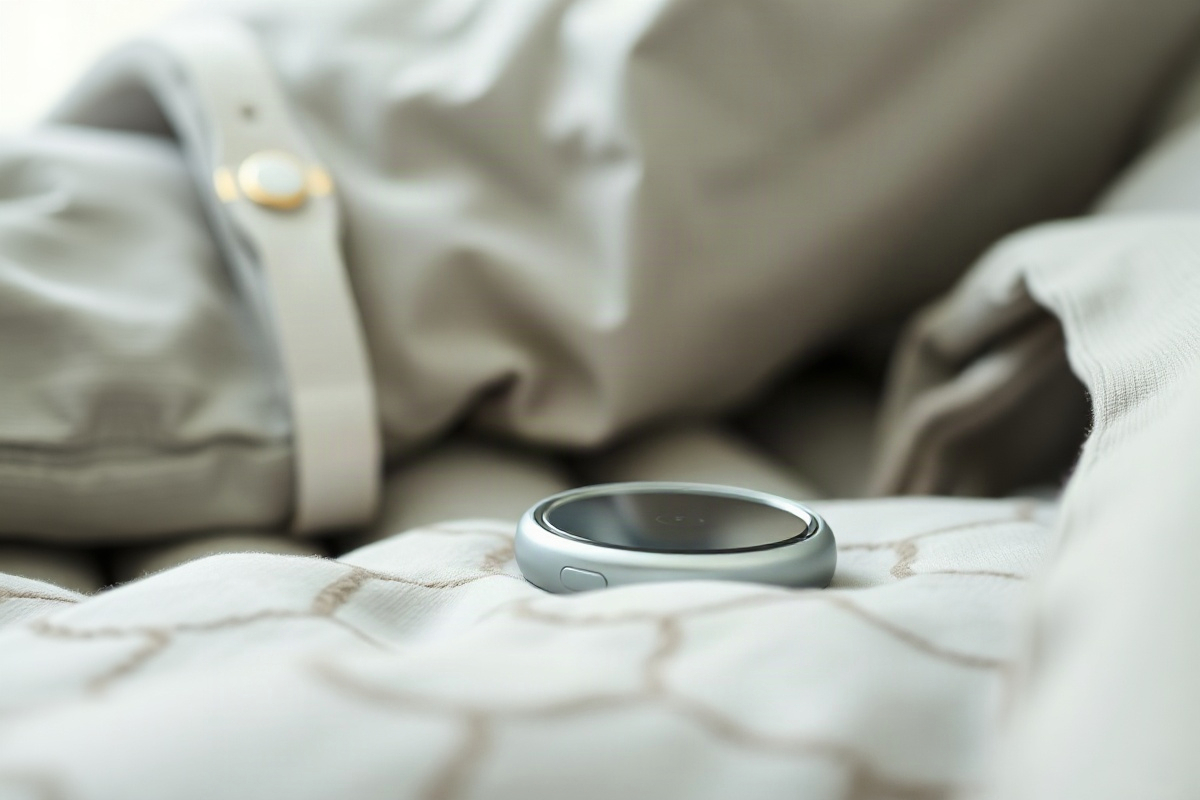
For sleep staging, the accuracy is industry-leading but not perfect. Against PSG, the Oura Ring tends to be highly accurate for detecting sleep onset and total sleep time. It shows strong performance for REM sleep detection but, like all consumer wearables, can slightly misattribute light and deep sleep. For instance, it may overestimate deep sleep by an average of 10-15 minutes in some users. However, its longitudinal tracking is its greatest strength; the trends over time are exceptionally reliable for identifying changes in your sleep architecture, making it a powerful tool for spotting the impact of lifestyle changes, stress, or illness.
New for the Ring 4 is an improved temperature sensor. It takes over 1,000 temperature readings per night to establish a precise basal body temperature baseline. This allows it to detect even minor deviations, which can signal the onset of illness, stress, or, for women, predict menstrual cycles and ovulation with high precision. This granular data is a key differentiator that cheaper fitness tracker rings often lack.
The Oura Membership: Paywall or Premium Value?
The most controversial aspect of the Oura ecosystem is its mandatory Oura Membership, required to access the vast majority of the ring’s insights. The monthly fee is $5.99, or $69.99 if paid annually. Without it, you only get basic metrics: a sleep score, readiness score, and activity score, along with the three simple graphs for each. All the historical trend data, detailed sleep stage breakdowns, personalized guidance, and the extensive library of meditations and audio content are locked behind the paywall.
This subscription model is a significant factor in the total cost of ownership. Over a typical 2-3 year lifespan of the device, the subscription can add $140-$215 to the initial $449+ purchase price. Oura argues this fee supports continuous algorithm development, new feature rollouts, and cloud storage for your health data. For users who deeply engage with the daily insights and use the guided content, it can provide value. For those who simply want a nightly sleep score without ongoing costs, alternatives like the RingConn Gen 2 offer a compelling subscription-free proposition.
What You Get for the Fee
The membership unlocks the full Oura experience: Daytime Insights (heart rate, stress tracking), Nightly Reports (full sleep stage timeline with disruptions), Trends (long-term analysis of all metrics), and Oura Labs features like workout heart rate and the new Resilience metric. It also provides access to personalized content like guided audio sessions for wind-down and sleep, which can be particularly useful for new parents or those managing stress-related sleep issues.
How It Compares to the Competition
The smart ring market has exploded since Oura’s debut. Today, it competes not only with direct rivals but also with advanced smartwatches. The Ultrahuman Ring Air vs Oura Ring 4 debate often centers on platform philosophy; Ultrahuman focuses on metabolic health biomarkers and is also subscription-free, but its sleep staging isn’t yet as validated as Oura’s. The RingConn Gen 2, as reviewed, is arguably the best value proposition, offering 90% of Oura’s core features without a monthly fee.
The elephant in the room is the Samsung Galaxy Ring. As covered in our Samsung Galaxy Ring Sleep Tracking Review, it leverages Samsung’s massive R&D resources and integrates seamlessly with the Galaxy ecosystem. Its sleep coaching is robust, but its accuracy validation in peer-reviewed literature is still nascent compared to Oura’s multi-year head start. For a broader look at the field, our guide to the Best Smart Rings for Sleep Tracking in 2026 provides a detailed breakdown.
The following table summarizes how the Oura Ring 4 stacks up against its key competitors on sleep-specific metrics.
| Product | Best For | Key Sleep Spec | Price Range |
|---|---|---|---|
| Oura Ring 4 | Most Accurate Sleep Staging | Validated PPG + Temperature Sensors | $449 + $6/mo |
| Ultrahuman Ring Air | Metabolic Health Focus | Subscription-Free Platform | $349 |
| RingConn Gen 2 | Best Value | No Subscription, 7-Day Battery | $279 |
| Samsung Galaxy Ring | Galaxy Ecosystem Users | Integrated Samsung Health | $399 |
The Verdict: Who Should (and Shouldn’t) Buy the Oura Ring 4
The Oura Ring 4 is not for everyone. Its total cost of ownership is the highest in the category. If you are budget-conscious or philosophically opposed to hardware subscriptions, the RingConn Gen 2 or even a high-end Garmin Venu 3 smartwatch will provide excellent sleep and health tracking without a recurring fee.
However, for the user who wants the most scientifically-validated sleep tracking available in a consumer ring form factor, the Oura Ring 4 is still the benchmark. Its accuracy, particularly in longitudinal trend analysis and temperature sensing, is unmatched. If you are a data-driven individual using sleep data to optimize recovery, manage stress, or track hormonal cycles, and you see value in the guided content and ongoing software updates, the membership fee can be justified. It is the premium choice for those who want the best and are willing to pay for it.
Buy the Oura Ring 4 if: You prioritize the highest possible sleep tracking accuracy, value detailed longitudinal data and temperature trends, and will use the membership features.
Skip the Oura Ring 4 if: You are on a tight budget, dislike subscription models, or only want basic sleep score tracking.
Key takeaways
- The Oura Ring 4 offers best-in-class sleep stage tracking accuracy, backed by peer-reviewed validation studies, making it the most reliable ring for serious data analysis.
- A mandatory $5.99/month Oura Membership is required to access most advanced features, significantly increasing the total long-term cost of ownership.
- Its comfortable, lightweight titanium design and 4-5 day battery life make it ideal for 24/7 wear, especially for side sleepers.
- Superior temperature sensing provides unique insights into illness, stress, and menstrual cycle predictions that many competitors lack.
- It faces strong competition from subscription-free rings like the RingConn Gen 2 and ecosystem players like the Samsung Galaxy Ring, which may offer better value for some users.
Frequently asked questions
Is the Oura Ring 4 accurate for detecting sleep apnea?
The Oura Ring 4 is not FDA-cleared to diagnose sleep apnea. While it can detect physiological markers like significant blood oxygen drops (SpO2) and elevated nighttime heart rate that may suggest sleep-disordered breathing, it cannot provide a diagnosis. If you suspect sleep apnea based on ring data or symptoms like loud snoring and daytime fatigue, you must consult a sleep physician for a proper sleep study.
How does the Oura Ring 4 handle temperature tracking for fertility?
The ring’s improved temperature sensor takes over 1,000 readings per night to establish a highly accurate basal body temperature (BBT) baseline. It uses this data to pinpoint a temperature shift that confirms ovulation has occurred. This makes it one of the most convenient and accurate wearable solutions for natural cycle tracking, as it automates the process far more reliably than manual morning thermometer readings.
Can I wear the Oura Ring 4 while lifting weights or playing sports?
While the titanium build is durable, Oura does not recommend wearing the ring during high-impact activities like weightlifting, rock climbing, or boxing. The force from gripping a barbell or making impact with a ball could damage the sensors or the ring itself, and could also pose a risk of finger injury (degloving). It is best removed for such activities and worn for recovery tracking afterward.
What happens to my data if I cancel the Oura Membership?
If you cancel your Oura Membership, you lose access to all your historical detailed data, including sleep stage breakdowns, long-term trends, and personalized insights. You revert to a basic view showing only your three daily scores (sleep, readiness, activity) and their simple graphs. Your raw data remains stored on Oura’s servers, and if you resubscribe in the future, you will regain access to your full history.
For more in-depth comparisons and reviews of the latest devices, explore our complete guide to Smart Rings.
Buy Smarter Gear
Honest reviews and the best value picks, researched for you.