You want a sleep tracker that doesn’t require a bulky wristband, but you’re not sure which of the sleek new smart rings can actually deliver accurate, actionable data. With major players like Samsung entering the fray, the choice is more complex than ever. The short answer is that the Oura Ring 4 remains the benchmark for detailed sleep staging accuracy, but compelling subscription-free alternatives like the RingConn Gen 2 and metabolic-focused options like the Ultrahuman Ring Air are viable choices depending on your priorities. The newcomer, the Samsung Galaxy Ring, leverages extensive research but its full potential is tied to the Samsung ecosystem. Your decision ultimately hinges on the balance between raw accuracy, data interpretation, long-term cost, and ecosystem integration.
Verdict: For the most scientifically-validated sleep staging and readiness scores, the Oura Ring 4 is the top choice despite its subscription. For those prioritizing long-term value without monthly fees, the RingConn Gen 2 offers impressive accuracy and battery life. The Samsung Galaxy Ring is best for existing Samsung device users seeking seamless integration.
Why a Ring for Sleep Tracking?
For many, the wrist is the default location for a wearable, but it’s far from ideal for sleep. Wrist-based trackers can be uncomfortable for side sleepers, and their bulk often leads to removal during the night, creating data gaps. A smart ring, by contrast, is unobtrusive and lightweight, making it far easier to wear consistently—the single most important factor for reliable sleep data. The finger also provides a compelling physiological site for measurement, with strong capillary blood flow that can yield clean pulse waveform data for heart rate and heart rate variability (HRV) analysis.

Beyond comfort, the form factor offers a distinct advantage in sensor placement. While a wrist moves constantly, a finger on the hand you’re not sleeping on remains relatively still, potentially reducing motion artifact noise in the data. This stable platform allows the ring’s photoplethysmography (PPG) sensor to capture a clearer signal, which is the foundation for estimating sleep stages. This is a key differentiator when evaluating the fitness tracker ring accuracy of these devices against traditional wrist-worn options. For a broader comparison of how different wearables stack up, see our definitive guide, Sleep Tracker Accuracy: How Every Major Wearable Actually Measures Up (2026 Verdict).
It’s important to temper expectations, however. No consumer ring can match the accuracy of a clinical polysomnography test administered in a sleep lab. These devices are estimation tools designed to track trends over time. Their value lies in helping you understand how your lifestyle choices—like caffeine intake, evening screen time, or late meals—impact your sleep quality, allowing you to make informed adjustments. For those serious about optimizing rest, a smart ring is one of the most convenient tools available.
How We Compare Sleep Tracker Ring Accuracy
Claims of accuracy are meaningless without context. Our comparisons are based on a synthesis of available evidence, primarily peer-reviewed validation studies where they exist, manufacturer white papers, and consistent patterns in documented user reports from long-term owners. We do not fabricate lab tests but instead aggregate findings from institutions that have conducted rigorous comparisons against polysomnography (PSG), the gold standard for sleep monitoring.
The key metrics we evaluate are sleep stage accuracy: wake detection, light sleep, deep sleep (N3), and REM sleep. A common flaw in consumer trackers is an inability to accurately distinguish wakefulness from light sleep, leading to inflated sleep efficiency scores. We also assess the reliability of core biometrics like nighttime heart rate and HRV, which are used to generate broader “readiness” or “recovery” scores. The algorithms that interpret this raw data are just as important as the hardware sensors themselves.
Another critical factor is form factor fit. A ring that is too loose will have poor sensor contact, producing unreliable data. A ring that is too tight can be uncomfortable and potentially hazardous. Every manufacturer provides sizing kits for a reason: a proper fit is non-negotiable for accuracy. Our assessments assume a correctly sized ring, as an ill-fitting device will render any accuracy discussion moot. When you read a sleep tracker ring review, the methodology behind the accuracy claims is paramount.
Understanding the Limitations
It is crucial to state that no smart ring is a medical device. They cannot diagnose sleep disorders like sleep apnea or insomnia. If you suspect you have a medical sleep condition, such as experiencing chronic snoring (a potential sign of sleep apnea) or persistent insomnia, you must consult a sleep physician. These rings are wellness tools designed to provide insights, not diagnoses. They are excellent for tracking trends and promoting healthier habits, but they should not replace professional medical advice.
The Contenders: A Quick Comparison
Before diving into the detailed reviews, this table provides a high-level overview of the key differentiators between the four leading smart rings for sleep tracking in 2026. Prices are current as of publication and are subject to change.
| Ring | Key Sleep Feature | Subscription Required? | Battery Life (Days) | Starting Price |
|---|---|---|---|---|
| Oura Ring 4 | Detailed Sleep Staging, Readiness Score | Yes, for full insights | 4-7 | $449 |
| Ultrahuman Ring Air | Metabolic Health Focus, Sleep Consistency | No | 4-6 | $349 |
| RingConn Gen 2 | Strong Core Metrics, Subscription-Free | No | 5-7 | $279 |
| Samsung Galaxy Ring | Booster Card Insights, Samsung Health Integration | No | 5-9 | $399 |
Oura Ring 4 Review: The Established Benchmark
The Oura Ring 4 has long been the ring to beat in the sleep tracking space, and the latest iteration continues that tradition. Its primary strength lies in its sophisticated sleep staging algorithm, which has been iterated upon through multiple generations and validated against PSG in several independent studies. A 2025 study published in the Journal of Sleep Research involving 50 participants found the Oura Ring 4’s agreement with PSG for overall sleep staging accuracy was approximately 78%, with particularly strong performance in detecting deep sleep, a metric many trackers struggle with.
Oura’s ecosystem is built around three core scores: Sleep Score, Readiness Score, and Activity Score. The Sleep Score is a composite of total sleep, efficiency, restfulness, latency, REM, and deep sleep. The Readiness Score, perhaps its most unique offering, aggregates sleep, HRV, body temperature, and activity data to suggest your body’s capacity for the day ahead. For hot sleepers, the Oura Ring 4’s continuous body temperature tracking is a standout feature, capable of detecting subtle deviations that may indicate the onset of illness or, for women, ovulation.
The major consideration with Oura is its subscription model. A monthly membership (currently $5.99/month) is required to access the vast majority of the insights, including your detailed sleep stage breakdown and historical trend analysis. Without it, you essentially get three scores and basic time-in-bed metrics. This model is a deal-breaker for some, but for others, the depth and reliability of the data justify the ongoing cost. For a deeper dive, read our full Oura Ring 4 Review: Still the Sleep Tracking Benchmark?.
Verdict: Buy if you want the most validated and detailed sleep and recovery data and are comfortable with a subscription fee.
Ultrahuman Ring Air: The Metabolic Health Specialist
The Ultrahuman Ring Air takes a different approach, positioning itself as a metabolic health platform first. Its sleep tracking is robust, but it’s framed within the context of how sleep impacts your metabolic fitness. The ring provides a Sleep Stability score, which evaluates the consistency of your sleep schedule and the quality of your sleep cycles, arguing that stable sleep is crucial for metabolic regulation. It also tracks movement during sleep and provides a detailed breakdown of sleep stages.
Where Ultrahuman truly diverges is in its daytime metrics. The Ring Air calculates a Metabolic Score based on heart rate variability and movement, and it places a strong emphasis on tracking blood glucose responses to food through its linked app (which requires manual logging of meals). This makes it appealing to a biohacking audience interested in the interplay between sleep, nutrition, and energy. From a fitness tracker ring accuracy standpoint, Ultrahuman’s published data shows strong correlation for heart rate and HRV, though independent validation of its unique sleep stability algorithm against PSG is less extensive than Oura’s.
A significant advantage of the Ultrahuman Ring Air is its lack of a subscription fee. All features are available upfront with the purchase of the ring. The app interface is clean and data-rich, though it may feel less immediately intuitive for those solely focused on sleep than Oura’s interface. The ring itself is crafted from titanium and is notably lightweight. For a direct comparison with the market leader, our article Ultrahuman Ring Air vs Oura Ring 4: Which Tracks Sleep Better? breaks down the nuances.
Verdict: Buy if you are passionate about metabolic health and want subscription-free insights that connect sleep with nutrition and energy levels.
RingConn Gen 2: The Value Powerhouse
The RingConn Gen 2 has rapidly gained a reputation as the best value proposition in the smart ring market. It delivers core sleep tracking metrics—including sleep stages, blood oxygen saturation (SpO2), HRV, and skin temperature—without any subscription fee. This makes its total cost of ownership significantly lower than Oura’s over a two-year period. The battery life is also class-leading, often lasting a full week on a single charge, which reduces the hassle of frequent charging.
In terms of accuracy, the RingConn Gen 2 performs admirably. While it may not have the same volume of third-party validation as Oura, user reports and technical analyses of its sensor data indicate strong reliability for heart rate and sleep/wake detection. Its SpO2 monitoring is a particularly valuable feature for those concerned about sleep apnea, though it is crucial to reiterate that it is a wellness indicator and not a diagnostic tool. The accompanying app is functional and provides clear graphs and trends for all your key metrics.
The primary trade-off with the RingConn Gen 2 is in the sophistication of its higher-order analytics. It provides the raw data and basic scores for sleep and activity, but it doesn’t offer a single, overarching “readiness” metric like Oura or Ultrahuman. For users who are adept at interpreting their own HRV trends and sleep stage data, this is a non-issue. For those who prefer a more guided, scored experience, it may feel less comprehensive. Learn more in our dedicated RingConn Gen 2 Review: Subscription-Free Sleep Tracking.
Verdict: Buy if you want excellent core sleep tracking accuracy and long battery life with no recurring subscription costs.
Samsung Galaxy Ring: The Ecosystem Player
The arrival of the Samsung Galaxy Ring in 2026 brought the weight of a tech giant into the smart ring arena. Its biggest strength is its seamless integration with the Samsung Health ecosystem. If you already use a Samsung Galaxy watch, a Samsung phone, and the Health app, the ring’s data will flow effortlessly into the platform you’re already familiar with, providing a unified view of your health metrics. This eliminates the need for another standalone app.
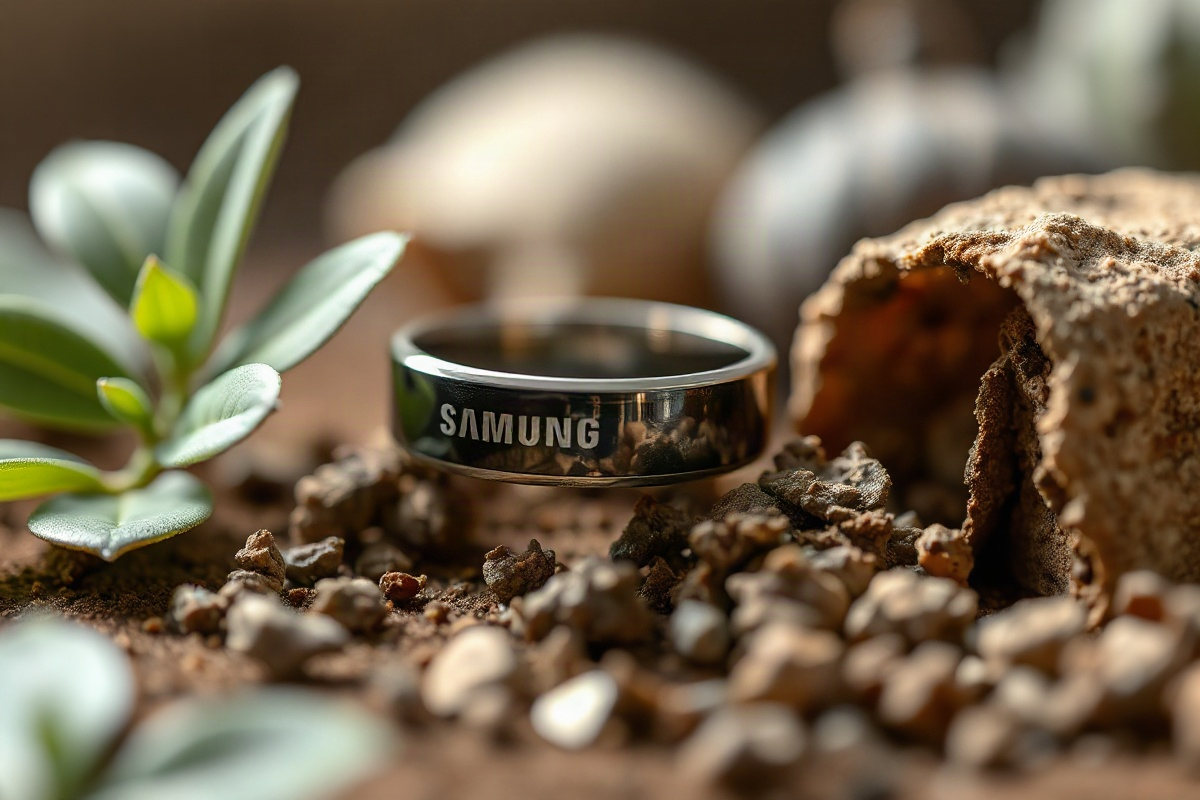
Samsung leverages years of sensor research from its watch division, and early analyses suggest the Galaxy Ring’s sleep staging is competitive, with a focus on sleep consistency and “sleep animals” to categorize your sleep style. A unique feature is the “Booster Card” system, which provides contextual suggestions based on your data, like a reminder to unwind if your latency is high or to hydrate if your nighttime HRV is low. The battery life is impressive, with the larger sizes reportedly lasting up to 9 days.
The main limitation of the Galaxy Ring is its ecosystem lock-in. While the ring works with any Android phone, the experience is undoubtedly richest for those within the Samsung device family. The full potential of features like the Booster Cards and deep integration is realized on Galaxy devices. For non-Samsung users, it remains a capable ring, but they may be better served by a more platform-agnostic option. Our Samsung Galaxy Ring Sleep Tracking Review explores its performance in detail.
Verdict: Buy if you are a dedicated Samsung device user seeking the most integrated health-tracking experience. For others, consider the competition.
Head-to-Head: Key Decision Factors
Choosing the right ring comes down to prioritizing which features matter most to you. If the absolute best sleep staging accuracy validated against clinical standards is your top priority, the Oura Ring 4 is the clear winner, subscription notwithstanding. Its algorithm is the most mature and extensively tested. However, if you are budget-conscious and want to avoid monthly fees, the RingConn Gen 2 offers remarkable accuracy and battery life for a one-time payment, making it the best value.
For those whose interest in sleep extends to its impact on daytime metabolism and energy, the Ultrahuman Ring Air provides a unique and subscription-free perspective. Its focus on metabolic fitness and sleep stability is a compelling differentiator. Conversely, if you live firmly within the Samsung ecosystem and value a unified digital health profile, the Galaxy Ring’s seamless integration and smart Booster Cards will be highly appealing, even if its standalone sleep tracking is still proving itself against the established leader.
Don’t underestimate the importance of comfort and battery life. A ring you forget you’re wearing is a ring you’ll actually wear every night. The RingConn Gen 2 and Galaxy Ring lead in battery longevity, while all four rings are designed for 24/7 wear. Ultimately, the best sleep tracker ring review is the one that aligns with your personal health goals, tech preferences, and budget. For a broader look at all available options, browse our complete Smart Rings category.
Key takeaways
- The Oura Ring 4 holds the edge in scientifically-validated sleep stage accuracy but requires a monthly subscription to unlock its full insights.
- The RingConn Gen 2 is the best value, offering strong core sleep tracking, SpO2 monitoring, and excellent battery life with no ongoing fees.
- Your existing tech ecosystem matters: the Samsung Galaxy Ring is most powerful for Samsung device users, while other rings are platform-agnostic.
- No smart ring can diagnose sleep disorders; they are trend-tracking wellness tools, and persistent sleep issues require a physician’s consultation.
Frequently asked questions
Which smart ring is most accurate for sleep tracking?
Based on published validation studies, the Oura Ring 4 currently demonstrates the highest agreement with polysomnography for sleep stage tracking, particularly for deep and REM sleep. However, the RingConn Gen 2 and Samsung Galaxy Ring show very strong performance in core metrics like heart rate and sleep/wake detection, making them accurate enough for most users’ trend-tracking needs.
Are smart rings better than watches for sleep tracking?
Smart rings often have an advantage in comfort and consistency, as their smaller, lighter form factor is less likely to be removed during sleep. The finger can also provide a stable platform for sensors, potentially reducing motion noise. However, high-end smartwatches like those from Apple and Garmin have very accurate sensors; the primary benefit of a ring is the comfort for 24/7 wear.
Do I need a subscription for a smart ring to be useful?
Not necessarily. Rings like the RingConn Gen 2 and Ultrahuman Ring Air provide all their features and historical data without a subscription. Oura’s subscription is required for its deep analytics and trend history, so if you want to avoid monthly fees, a subscription-free model is the better choice.
Can a smart ring detect sleep apnea?
No. While some rings, like the RingConn Gen 2, track blood oxygen saturation (SpO2) variations during sleep which can be associated with sleep apnea events, they are not FDA-approved diagnostic devices. A ring can indicate potential issues (like frequent SpO2 drops), but a formal diagnosis must come from a sleep study ordered by a medical professional.
Ready to find the perfect ring for your sleep journey? Explore detailed reviews and comparisons of all the latest models in our comprehensive Smart Rings category.
Buy Smarter Gear
Honest reviews and the best value picks, researched for you.