The Gentle Awakening: A Physical and Mental Shift
To understand how a sunrise alarm clock works, it’s helpful to first understand the machinery it’s designed to interface with: your own body. Your circadian rhythm, the internal 24-hour clock that governs sleep-wake cycles, is primarily set by light exposure. Specialized cells in your retina, called intrinsically photosensitive retinal ganglion cells (ipRGCs), are exquisitely sensitive to blue-wavelength light. When morning light, even through closed eyelids, is detected by these cells, they signal the suprachiasmatic nucleus (SCN) in your brain to suppress the production of melatonin, the sleep-promoting hormone. Simultaneously, the SCN kick-starts the release of cortisol, a hormone associated with alertness and energy. A traditional alarm clock bypasses this entire natural cascade. It jolts you from whatever sleep stage you’re in—potentially deep or REM sleep—with a sudden, stressful noise. This triggers a fight-or-flight response, spiking your heart rate and blood pressure, and often leaving you with a feeling of grogginess known as sleep inertia. A sunrise alarm clock, by contrast, aims to mimic the natural dawn. It begins emitting a gradually intensifying light, typically starting 15 to 60 minutes before your desired wake time. This gentle light signal coaxingly guides your brain through the hormonal transition from sleep to wakefulness, ideally bringing you to the lightest stage of sleep just as the alarm sound begins or as the light reaches its maximum brightness.
The Timeline of a Simulated Dawn
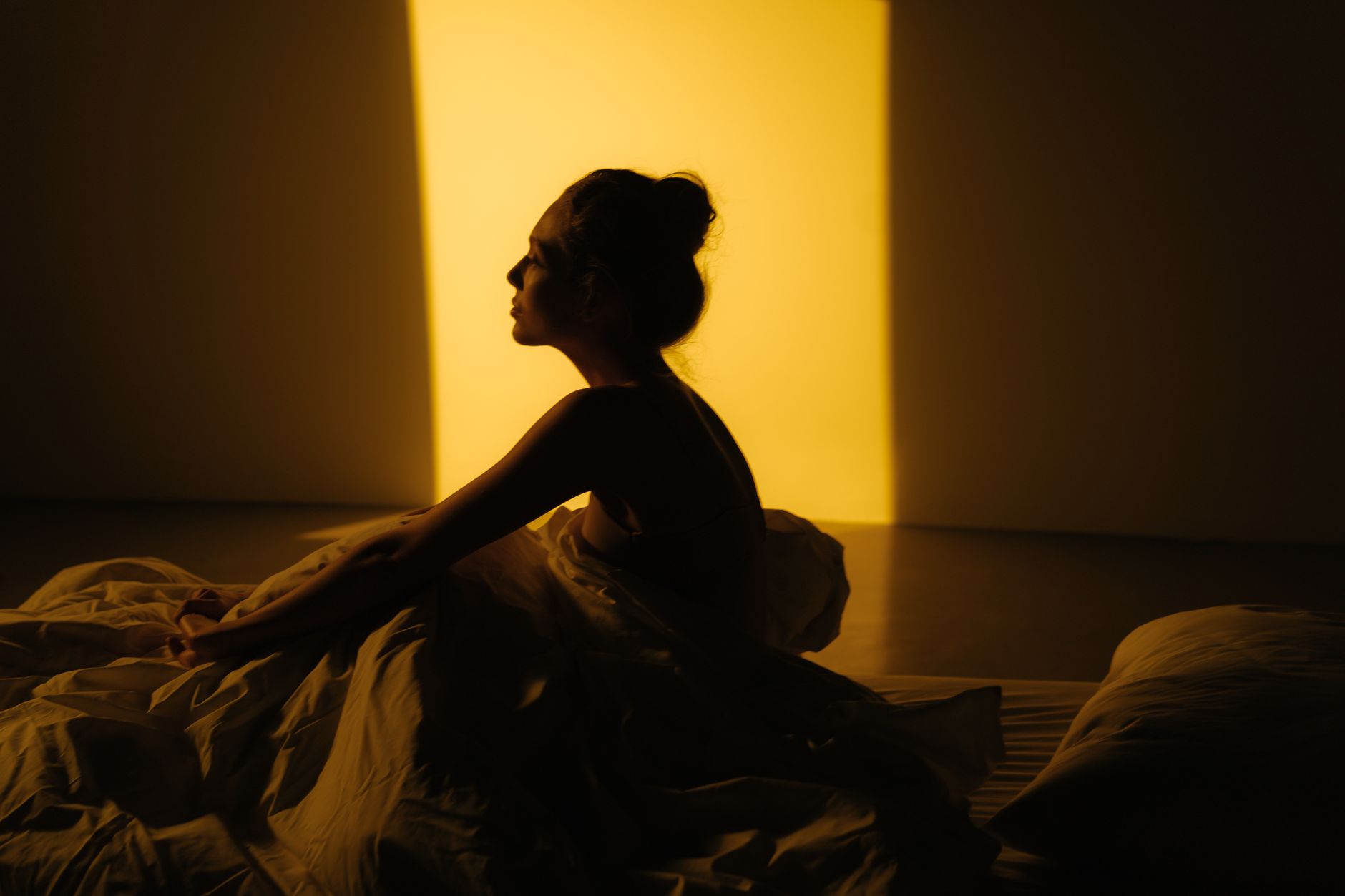
A 30-minute sunrise simulation is the most common and scientifically supported setting. Let’s break down what happens minute by minute. In the first 10 minutes, the light is often very dim, perhaps only 50 to 100 lux, equivalent to a candlelit room. This is too faint to significantly suppress melatonin but serves as a subtle cue to the SCN that the dawn is approaching. Between the 10- and 20-minute mark, the light intensity increases more noticeably, climbing into the 200-500 lux range, similar to a well-lit indoor room. This is where melatonin production begins to slow. In the final 10 minutes, the light ramps up to its full intensity, which on premium models can reach 10,000 lux or more, mimicking bright daylight. It is this final, bright phase that effectively halts melatonin and fully triggers the cortisol awakening response. By the time a gentle bird chirp or soft radio fades in, your body is already biologically primed to be awake.
Do Wake-Up Lights Actually Work? The Scientific Verdict
The central question for any data-driven consumer is whether these devices deliver on their promise. The answer, according to a body of clinical research, is a qualified yes. Numerous studies on dawn simulation have shown positive effects on mood, alertness, and subjective feelings of早上起床轻松度 (ease of morning awakening). A pivotal 2015 study published in the Journal of Sleep Research found that participants woken by a dawn simulator rated themselves as significantly more alert in the first 30 minutes of the day compared to those woken by a conventional alarm. Furthermore, research has shown dawn simulation to be particularly beneficial for people with Seasonal Affective Disorder (SAD) and for those who struggle to wake up on dark winter mornings, as it can help counteract the lack of natural morning light.
However, it’s crucial to manage expectations. A sunrise alarm is not a magic bullet for chronic sleep deprivation. If you are consistently getting only five hours of sleep, no amount of simulated dawn will make you feel truly rested. Its primary function is to optimize the quality of your awakening from a full night’s sleep. The effectiveness also hinges heavily on individual sensitivity to light and your existing sleep habits. For the device to work as intended, you need to be in bed, with the light positioned to reach your face, for the entire duration of the sunrise simulation. If you roll over or bury your head under the pillow, you’ll miss the critical light cues. For a deeper dive into the clinical evidence, see our detailed analysis in Sunrise Alarm Clock Benefits: What the Research Says About Dawn Simulation.
Verdict: For individuals who get sufficient sleep but hate the jarring experience of a noise-based alarm, sunrise alarm clocks are a scientifically supported tool to create a smoother, more natural transition to wakefulness, especially during darker months.
Key Features to Consider When Buying a Sunrise Alarm Clock
Not all wake-up lights are created equal. The market ranges from basic $30 models to sophisticated $200+ systems that integrate with smart home platforms. Your choice should depend on which features align with your specific needs and budget. The most critical differentiator is light intensity, measured in lux. A higher maximum lux (e.g., 10,000) provides a more powerful, dawn-like effect, which is particularly important if you sleep in a very dark room or are using the light for SAD. Budget models may only reach 300 lux, which is better than nothing but may not be strong enough for everyone. The second key feature is the sunset feature, or wind-down mode. This is the reverse of the sunrise: the light gradually dims over a set period (e.g., 30 minutes) to signal to your brain that it’s time to sleep, helping to naturally increase melatonin production. This is an invaluable tool for those who struggle to unwind at night.
Sound options are another area of differentiation. Most clocks offer a choice between nature sounds (birds, waves), gentle beeps, FM radio, or the option to connect your own music via Bluetooth. Look for a model with a gradual volume increase on the alarm sound to avoid defeating the purpose of the gentle light wake-up. For new parents or light sleepers, a model with a robust sound machine for all-night use is a major bonus. Clocks like the Hatch Restore 3 excel in this regard, combining sunrise alarm, sunset feature, and a high-quality sound machine into a single device. Finally, consider control and connectivity. Do you prefer simple physical buttons, a touch interface, or app control? App-controlled models offer greater scheduling flexibility and customization but add complexity.
Lux, Color Temperature, and Why They Matter
When comparing specifications, you’ll encounter two key light metrics: lux and color temperature (measured in Kelvin, or K). Lux is a measure of illuminance, or how bright the light appears to the human eye. A brightly lit office is about 500 lux, while a cloudy day might be 1,000-2,000 lux. A good sunrise alarm should achieve at least 500 lux at its peak, with premium models aiming for 10,000 lux to truly simulate daylight. Color temperature refers to the hue of the white light. Warmer light (around 2700K) has a yellow-orange tint, similar to a sunset or incandescent bulb, and is relaxing. Cooler light (5000K and above) has a blue-white tint, similar to noon daylight, and is alerting. The most effective sunrise simulations start with a very warm, dim glow and progressively become cooler and brighter, accurately mimicking the natural progression of dawn.
The Top Sunrise Alarm Clocks of 2026
After analyzing specifications, owner reviews, and the latest model updates, we’ve identified the top contenders in three key categories for 2026. This list focuses on performance, reliability, and features that matter most for sleep optimization.

| Model | Max Lux / Light Color | Key Features | Best For | Approx. Price |
|---|---|---|---|---|
| Philips SmartSleep HF3670 | 10,000 lux / Natural White to Red Sunrise | Industry-leading 10,000 lux light, FM radio, sunset mode, choice of natural wake-up sounds. | The purist seeking the most clinically-backed dawn simulation. | $180 |
| Hatch Restore 3 | 250+ lux (customizable colors) | All-in-one sound machine, meditation app integration, highly customizable sunrise/sunset colors and sounds via app. | Tech-savvy users who want a complete sleep and wake-up ecosystem. | $200 |
| Lenovo Smart Clock 2 | Customizable LED | Google Assistant built-in, smart home control, easy-to-use sunrise alarm feature, compact size. | Budget-conscious users wanting a smart display and sunrise alarm in one. | $70 |
| Loftie Smart Alarm Clock | Warm White Glow | Two-phase alarm (gentle then main), built-in meditation and sound content, phone-free design, minimalist aesthetic. | Anyone wanting to disconnect from their phone and create a curated bedtime ritual. |
In-Depth: The Gold Standard – Philips SmartSleep
The Philips SmartSleep Wake-Up Light series remains the benchmark against which other sunrise alarms are measured, and the HF3670 is the latest iteration. Its primary advantage is the uncompromising 10,000 lux maximum brightness, which is backed by clinical research for its effectiveness in simulating dawn and combating winter blues. The light progression is meticulously engineered, starting with a red-hued glow that mimics the very first light of dawn and smoothly transitioning to a bright, cool white light. The built-in sounds are high-quality recordings of birds and gentle bells, and the FM radio offers a familiar alternative. While it lacks the smart features or custom colors of app-based competitors, its singular focus on doing one thing exceptionally well makes it the top recommendation for anyone whose primary goal is the most biologically effective gentle wake-up.
In-Depth: The All-in-One Hub – Hatch Restore 3
The Hatch Restore 3 takes a different approach, positioning itself as a central hub for your entire sleep routine. Its light doesn’t reach the intense 10,000 lux of the Philips, but it offers unparalleled customization through its companion app. You can choose the exact colors for your sunrise and sunset sequences, select from a vast library of sounds (including white noise, fan sounds, and meditations), and create multiple routines for different days. For new parents, its all-night sound machine functionality is a lifesaver, and the wind-down feature is as robust as its wake-up routine. If you value customization and want a single device to manage both falling asleep and waking up, the Hatch Restore 3 is the superior choice. Our full Hatch Restore 3 review explores its capabilities in greater detail.
Sunrise Alarms for Specific Sleep Challenges
While anyone can benefit from a gentler wake-up, these devices can be particularly transformative for people facing specific sleep challenges.
For shift workers or those who wake up hours before the sun, a sunrise alarm is a powerful tool to trick the brain into believing it is daytime. Waking up at 4:00 AM for a shift can feel brutal, but a 10,000 lux light simulating dawn can significantly reduce sleep inertia and improve alertness during the commute and the start of the workday. It helps stabilize an otherwise misaligned circadian rhythm. For partners of snorers or noisy sleepers, the sunrise alarm offers a silent wake-up option. Instead of a blaring alarm that jolts both people awake, the light can wake one person gently without disturbing their partner. This is especially useful if one partner needs to wake up significantly earlier than the other.
New parents are among the biggest beneficiaries. The combination of a sunrise alarm and an all-night sound machine in a device like the Hatch Restore 3 can help establish healthy sleep cues for both the adult and the child. The dim, warm light is perfect for nighttime feedings without being overstimulating, and the consistent sound machine can help mask household noises that might wake a light-sleeping baby. It’s important to follow AAP guidelines for baby sound machines: place the device at least 7 feet from the crib and use a timer or keep the volume under 50 dB.
Setting Up Your Sunrise Alarm Clock for Success
Simply buying the device isn’t enough; proper placement and configuration are critical for results. First, placement is everything. The clock should be positioned on a nightstand or shelf about 2 to 3 feet from your head, angled so that the light will shine onto your face. Avoid placing it directly in your line of sight, as that can be disruptive; just to the side is ideal. The goal is for the light to reach your closed eyelids. Second, calibrate the settings. Start with a 30-minute sunrise duration, as this is the most common and effective timeframe. Set the alarm sound to a gentle option you find pleasant, and ensure the volume starts low and increases gradually. If your model has a sunset mode, use it! Begin your wind-down routine as the light starts to dim.
Third, commit to consistency. Your circadian rhythm thrives on a regular schedule. Use the sunrise alarm every day, even on weekends, to reinforce your body’s internal clock. The more consistent you are, the more effective the light cue will become. Finally, manage your light exposure at night. A sunrise alarm helps you wake up, but bright blue light from phones and TVs in the evening can sabotage your sleep. Use blue light filters and aim to dim the lights in your home an hour or two before bed to complement the work your sunrise alarm is doing in the morning.
Common Mistakes and How to Avoid Them
Many people try a sunrise alarm and don’t get the desired effect, often due to a few common pitfalls. The biggest mistake is putting the clock too far away or in the wrong position. If the light isn’t shining on your face, your ipRGC cells won’t detect it, and the hormonal cascade won’t begin. Another error is using a sunrise duration that’s too short. A 10-minute sunrise is better than a blaring alarm, but it’s often not long enough for your brain to transition through the sleep stages naturally. Stick with 20-30 minutes for best results. A third mistake is expecting it to cure chronic sleep deprivation. As mentioned, these devices optimize a good night’s sleep; they cannot create sleep that didn’t happen. If you’re still feeling tired, the solution likely involves an earlier bedtime or addressing sleep disorders like apnea, which a device cannot diagnose.
Finally, some users choose a model with insufficient light intensity for their needs. If you are a very deep sleeper or your room has significant ambient light pollution, a budget model with a 300-lux maximum may not be bright enough to wake you. In these cases, investing in a model with a higher lux rating, like the Philips SmartSleep, is necessary. For those on a tight budget, we’ve identified models that perform well in our guide to the Best Budget Sunrise Alarm Clocks Under $50.
Sunrise Alarms and Sleep Tracking: A Powerful Combination
For the data-driven individual who already uses a wearable like an Oura Ring 4 or Whoop 5.0, integrating a sunrise alarm can provide fascinating insights. Many advanced trackers estimate sleep stages and provide a metric for sleep consistency or “time in bed.” By correlating your wake-up time with the data from your tracker, you can fine-tune your sunrise alarm. For instance, if your tracker consistently shows you waking up 10 minutes before your alarm sound goes off, you can shorten the sunrise duration slightly. The goal is to have the tracker indicate that you woke up naturally during a period of light sleep, which is a sign the dawn simulation is working optimally. It’s important to remember the limits of sleep tracker accuracy, especially for sleep stage detection, but the broad trends can still be useful for optimizing your routine.
Key takeaways
- Sunrise alarm clocks are scientifically supported to ease the waking process by gradually suppressing melatonin and increasing alertness, particularly in the dark winter months.
- The most critical feature is light intensity (measured in lux); aim for at least 500 lux, with 10,000 lux being the clinical gold standard for maximum effect.
- For best results, position the clock 2-3 feet from your head, use a 20-30 minute sunrise duration, and maintain a consistent sleep schedule.
- These devices optimize a good night’s sleep but cannot replace the need for sufficient sleep duration or diagnose underlying sleep disorders.
- Combining a sunrise alarm with a wearable sleep tracker can provide data to further refine your wake-up time for a more natural feeling awakening.
Frequently asked questions
Can a sunrise alarm clock help with Seasonal Affective Disorder (SAD)?
Yes, dawn simulation is a recognized light therapy technique for managing the symptoms of Seasonal Affective Disorder. The gradual, bright light (ideally 10,000 lux) in the morning can help regulate circadian rhythms and improve mood. However, it is not a substitute for professional medical advice or treatment; always consult a physician for a SAD diagnosis and comprehensive treatment plan.
Will a sunrise alarm work if I sleep with an eye mask?
No, it will not be effective. The light needs to reach your retina to trigger the hormonal response that promotes wakefulness. If you wear a blackout eye mask, the simulated dawn signal will be completely blocked. You would need to forgo the mask or find a model designed to be worn. The Inception mask claims to provide RGB for sleep/wake up but is technically completely different.
Is the light from these clocks safe for my eyes?
Yes, when used as directed, these lights are perfectly safe. The light intensity, even at 10,000 lux, is equivalent to a cloudy day and is far below the level that could cause retinal damage. You should not stare directly into the light at its brightest setting for prolonged periods, but the brief exposure during waking is not harmful.
What’s the difference between a sunrise alarm and a smart bulb in a lamp?
While a smart bulb like a Philips Hue can be programmed for a gradual wake-up, it is not optimized for the purpose. Sunrise alarms are engineered with specific color progressions (from red to white) and high maximum brightness levels that standard smart bulbs often cannot match. They also integrate alarm sounds and other sleep-specific features, creating a more dedicated and effective solution.
Ready to explore more options and find the perfect sunrise alarm for your bedroom? Browse our full lineup of tested and reviewed models in the Sunrise Alarms and Light category.
Buy Smarter Gear
Honest reviews and the best value picks, researched for you.