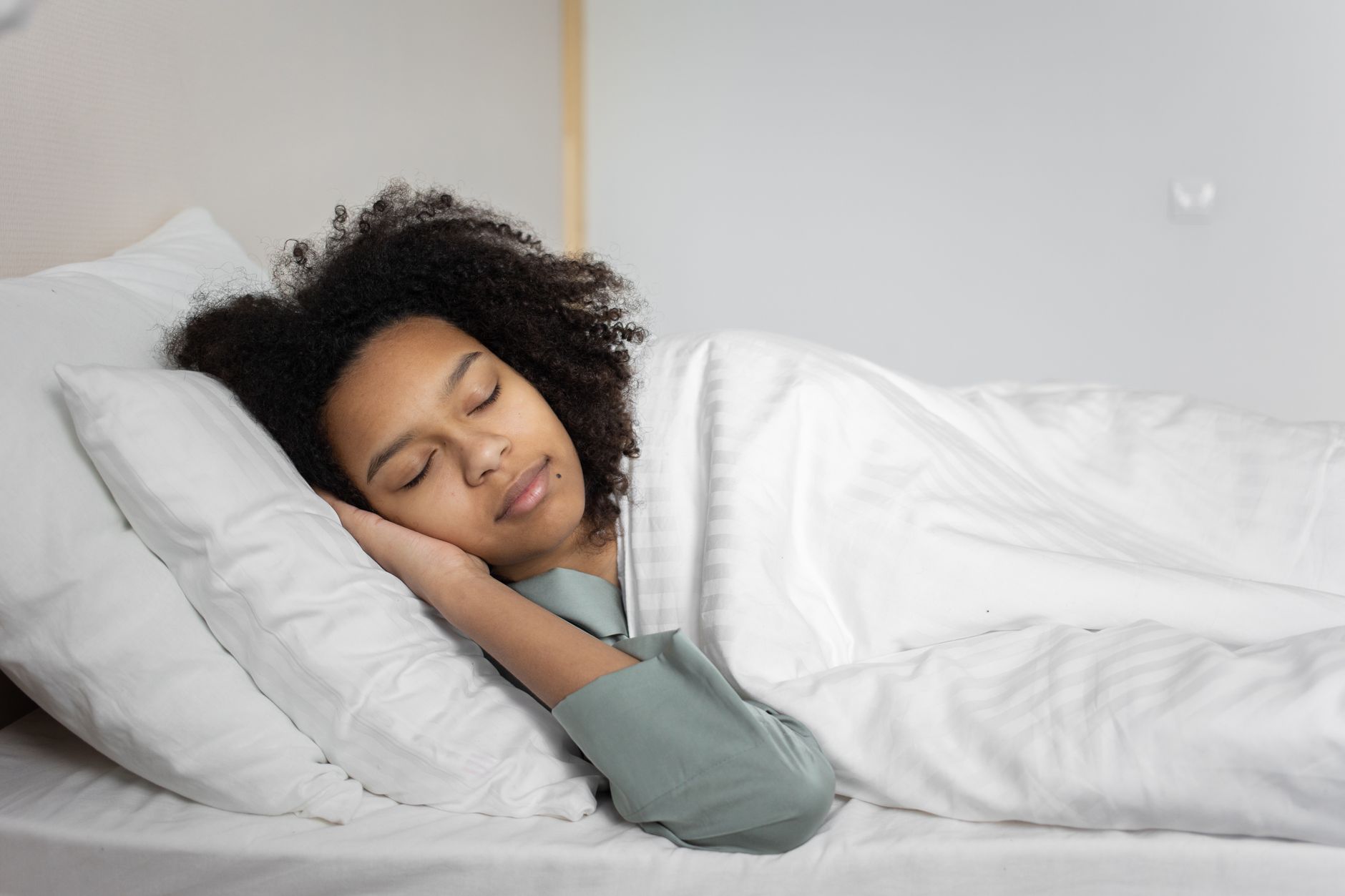
Did you know that achieving just 6.4 to 7.8 hours of sleep per night could significantly enhance your overall health and longevity? New research suggests that this sweet spot of sleep duration not only improves your quality of life but also reduces the risk of chronic diseases, supporting a longer, healthier life. This article explores the science behind it and provides practical tips to help you achieve the perfect slumber.
3 min read
In This Article
Key Takeaways
- Why 6.4 to 7.8 Hours of Sleep Matters
- Benefits of Optimal Sleep Duration
- How to Achieve Optimal Sleep Duration
- When 6.4 to 7.8 Hours of Sleep May Not Be Enough
Why 6.4 to 7.8 Hours of Sleep Matters
Research indicates that sleeping between 6.4 and 7.8 hours per night can have a profound impact on your physical and mental health. According to a study published in Nature, this sleep range is associated with a reduced risk of various health issues, including obesity, diabetes, and cardiovascular disease. The benefits extend beyond just your health; it can also improve your cognitive function and mood.

- Reduces inflammation in the body
- Supports a healthy immune system
- Enhances memory and learning
Reduces inflammation in the body
Supports a healthy immune system
Enhances memory and learning
Benefits of Optimal Sleep Duration
Getting 6.4 to 7.8 hours of sleep per night can lead to numerous health benefits. Here are some key advantages:
- Improved cognitive function: Adequate sleep helps sharpen your focus, improve memory, and enhance creativity. Studies show that sleep deprivation can impair your ability to learn new information and make decisions.
- Enhanced mood and emotional stability: Sleep plays a crucial role in regulating emotions. Lack of sleep can increase irritability, depression, and anxiety. Conversely, getting enough sleep can boost your mood and overall emotional well-being.
- Boosts the immune system: During sleep, your body produces cytokines, which are proteins that help fight infection and inflammation. Sleep deprivation can weaken your immune system, making you more susceptible to illnesses.
How to Achieve Optimal Sleep Duration
While the ideal sleep duration is crucial, there are practical steps you can take to ensure you get between 6.4 and 7.8 hours of sleep each night:
- Create a relaxing bedtime routine: Wind down with a soothing activity, such as reading a book, taking a warm bath, or practicing meditation. This helps signal to your body that it’s time to sleep.
- Establish a regular sleep schedule: Go to bed and wake up at the same time every day, even on weekends. This helps regulate your body’s internal clock and improve the quality of your sleep.
- Optimize your sleep environment: Make your bedroom a sleep-friendly space by ensuring it is cool, dark, and quiet. Invest in a comfortable mattress and pillows, and consider using blackout curtains or a white noise machine to minimize distractions.
- Limit screen time before bed: The blue light emitted by electronic devices can interfere with your sleep-wake cycle. Try to avoid screens at least an hour before bedtime to promote better sleep.
Try to avoid screens at least an hour before bedtime to promote better sleep.
When 6.4 to 7.8 Hours of Sleep May Not Be Enough
While 6.4 to 7.8 hours of sleep is ideal, it’s not a one-size-fits-all solution. Certain factors, such as age, lifestyle, and health conditions, can influence your optimal sleep duration. For example, older adults may need more sleep than younger adults. If you find that you consistently struggle to reach this sleep range, consult with a healthcare provider to address any underlying issues.
Choosing the Right Sleep Gear
Investing in the right sleep gear can make a big difference in achieving optimal sleep duration. Here are some equipment recommendations:
- Bedding: A quality mattress and pillows can significantly impact your sleep. Look for products made from hypoallergenic materials, such as memory foam or latex, to reduce allergens and improve comfort.
- Sleeping masks: These can help block out light and improve sleep quality. Choose a mask with adjustable straps and a soft, breathable material.
- White noise machines: These devices can simulate a calm, consistent sound to help you fall asleep and stay asleep. Opt for models with adjustable volume levels and soothing sounds.
Small changes, real momentum
Get practical guides and templates you’ll actually use — a few thoughtful emails a month.
Conclusion
To achieve optimal sleep duration, focus on creating a relaxing bedtime routine, establishing a regular sleep schedule, optimizing your sleep environment, and limiting screen time before bed. By following these steps, you can enhance your sleep quality and support your overall health and longevity. To learn more about specific sleep gear options, check out the following resources:
- Sleep Gear Reviews: Bedding
- Sleep Gear Reviews: Sleeping Masks
- Sleep Gear Reviews: White Noise Machines
- Luxury Sleep Routine Products — Insights Worth Reading (2026) (herluxerituals)
- 7 Free Night Shift Routine Templates to Boost Sleep & Energy in 2025 (nightshifttales)
- 5 Night Shift Rituals That Transformed My Sleep Quality in 2026 (nightshifttales)
{“@context”: “https://schema.org”, “@type”: “Article”, “headline”: “longevity: between 6.4 and 7.8 hours of sleep may aid healthy aging”, “description”: “Learn about autoseeded competitorexclusive serp topic. Expert guide with practical tips, detailed comparisons, and actionable recommendations.”, “wordCount”: 704, “timeRequired”: “PT3M”, “author”: {“@type”: “Organization”, “name”: “sleepgearreviews”}, “publisher”: {“@type”: “Organization”, “name”: “sleepgearreviews”}}
Related from our network
Buy Smarter Gear
Honest reviews and the best value picks, researched for you.